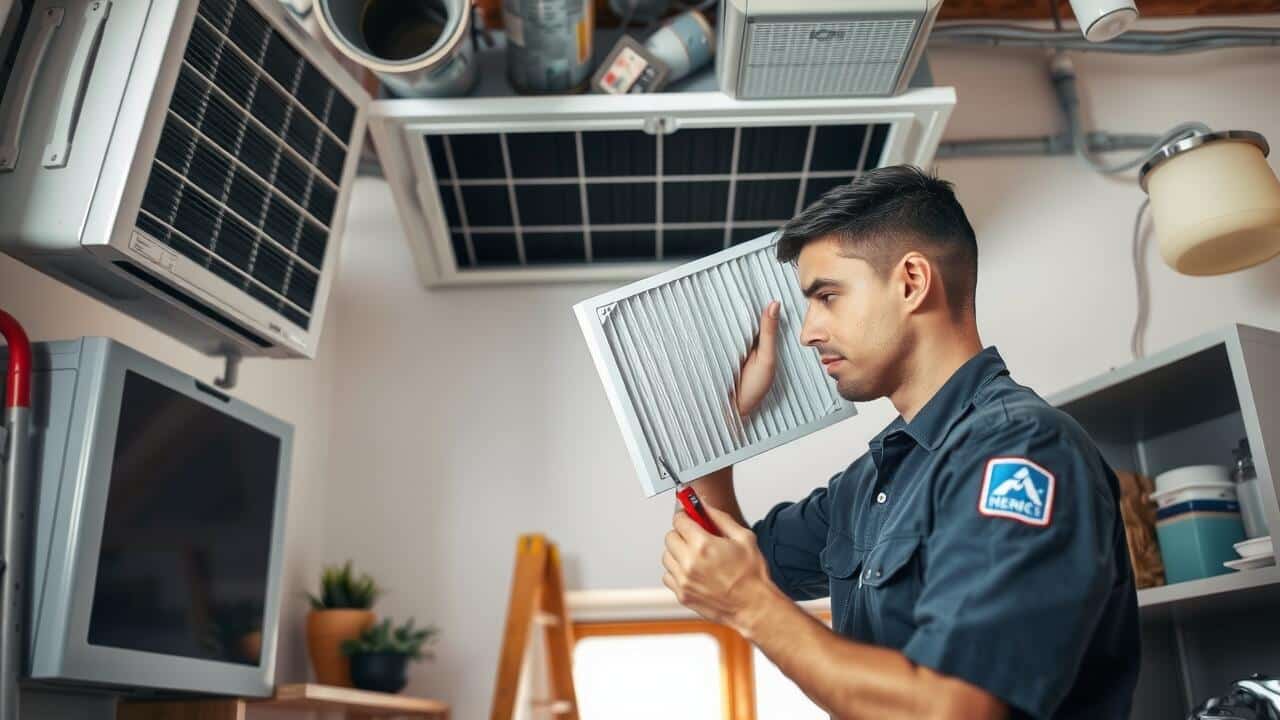
At Top Master Air Duct Cleaning Dallas, we understand the vital role that clean air filters play in maintaining a healthy indoor environment. Our Air Filter Replacement service is designed to ensure optimal air quality and system efficiency in your home or business. Over time, filters can become clogged with dust, allergens, and pollutants, which not only hampers air circulation but also places unnecessary strain on your HVAC system. Our experienced technicians will assess your current filters and provide prompt, professional replacement with high-quality options tailored to your specific needs. By choosing Top Master, you can breathe easy knowing that you are enhancing your indoor air quality and prolonging the life of your HVAC system.
Custom Size Air Filters
Custom size air filters cater to unique HVAC system requirements. Many homes and businesses utilize non-standard dimensions in their ductwork, necessitating filters customized to ensure optimal performance. Standard filters may not fit properly, potentially compromising airflow and overall indoor air quality. Using the correct size helps maintain efficiency and prolongs the lifespan of your heating and cooling equipment.
When selecting a custom air filter, consider factors such as the Minimum Efficiency Reporting Value (MERV) rating, which indicates the filter’s ability to capture airborne particles. Higher MERV ratings generally mean better filtration, targeting various contaminants like pollen, dust, smoke, and pet dander. Ensuring that the filter not only fits the specifications of the air handler but also meets your air quality needs can significantly impact asthma or allergy symptoms, creating a healthier indoor environment.
Finding the Perfect Fit for Your System
Finding the right air filter for your system is essential for optimal performance and air quality. The filter’s dimensions should match the specifications of your HVAC system to ensure proper airflow. A filter that’s too small can allow unfiltered air to bypass it, while one that’s too large may restrict airflow, causing strain on your unit. Referencing your system’s manual can provide guidance on the appropriate size, often listed in inches. Many retailers, including big box stores like Home Depot and online services, allow you to search by your zip code, making it easy to find filters tailored to your specific needs.
In addition to size, the features of the filter can greatly impact indoor air quality. Filters with activated carbon can help eliminate unpleasant smells while those with higher MERV ratings capture smaller particles, such as dust mites and allergens, improving the environment for your family. Options are available for various budgets, and investing in quality filters can enhance energy efficiency. Regularly changing your air filter not only promotes long-term health but also reduces the environmental impact associated with air pollutants.
Benefits of High-Quality Air Filters
Investing in high-quality air filters offers significant advantages for consumers seeking better air purification in their homes. These filters are designed to capture a wide range of particles, including dust, pollen, and allergens, which can lead to improved indoor air quality. High-performance air filters also focus on minimizing the presence of volatile organic compounds and harmful bacteria, ensuring a healthier environment for all residents, especially those with asthma or other respiratory issues.
The benefits extend beyond health; they also touch on energy efficiency. Proper filtration can lead to reduced energy consumption, as high-quality filters allow machinery to operate more effectively without the added strain of battling dust and debris. This efficiency not only contributes to long-term cost savings on utility bills but also promotes a more sustainable living environment, aligning with eco-friendly practices. By choosing premium air filters, homeowners not only enhance their well-being but also make a positive impact on the planet.
Long-Term Impact on Health and Comfort
The air quality within a home significantly impacts overall health and comfort, making the choice of air filters crucial for maintaining a positive indoor environment. High-efficiency particulate air (HEPA) filters excel at trapping smaller particles, including dust, mold spores, and pet dander. These particulates contribute to respiratory issues, allergies, and other health problems over time. By reducing the presence of irritants, homeowners can experience fewer asthma attacks and allergy flare-ups, leading to a more enjoyable living space.
In addition to health benefits, high-quality air filters enhance the efficiency of heating and cooling systems. Clean filters allow for better airflow, reducing strain on equipment such as the blower and heat exchanger. Improved performance lowers energy consumption and can lead to substantial savings on utility bills. Moreover, maintaining air quality protects against the buildup of volatile organic compounds (VOCs) and other pollutants, which can seep into living spaces and cause discomfort. Regularly replacing air filters becomes a key practice in creating a sustainable and healthy home environment.
How to Change Your Air Filter
Changing your air filter is essential to maintain optimal air quality and efficient system performance. Begin by turning off your HVAC unit. This prevents any debris from entering the system while you work. Next, locate the filter grill, usually positioned near the main supply duct or at the return air vents. Measure the filter’s length, width, and thickness using a measuring tape. It’s vital to select the right size when purchasing replacements to ensure a snug fit and enhance filtration capabilities.
Carefully remove the old filter from the grill, noting its orientation. Filters are designed to fit in one specific direction, and installing it incorrectly can reduce efficiency. Before inserting the new filter, inspect the area for any dust buildup or lint and perform any necessary dusting. After cleaning, place the new filter inside the grill, making sure the airflow arrow is pointing toward the blower unit. Turn the HVAC system back on and monitor for improved airflow and air quality. Regular replacement significantly contributes to reducing airborne pollutants, leading to better health outcomes in your home.
Step-by-Step Guide for Homeowners
Changing your air filter is essential for maintaining indoor air quality and system efficiency. Begin by turning off your HVAC system to ensure safety. Locate the air filter, usually found near the air handler or the return air duct. Make sure to check the dimensions of the existing filter, noting the height and width to find the correct size for replacement. If you’re opting for a high-quality option, consider filters made in the USA that may offer better performance against pollutants like harmful bacteria and dust mites.
Once you’ve obtained the replacement filter, carefully remove the old one. Pay attention to the airflow direction indicated on the filter itself; this will guide you in installing the new filter correctly. Slide the new filter into place, ensuring a snug fit without forcing it in. Finally, turn the HVAC system back on and observe the airflow to confirm proper installation. This straightforward DIY task can effectively enhance indoor air quality, benefiting both your health and that of the planet.
FAQS
How often should I replace my air filter?
It is generally recommended to replace your air filter every 1 to 3 months, but this can vary based on factors such as the type of filter, the level of dust and allergens in your home, and whether you have pets.
Can I use a custom size air filter in any system?
No, it’s important to ensure that the custom size air filter is compatible with your HVAC system. Always check the specifications and dimensions required for your specific system before purchasing.
What are the benefits of using high-quality air filters?
High-quality air filters can improve indoor air quality, reduce allergens, enhance HVAC system efficiency, and extend the lifespan of your heating and cooling systems.
How do I know if my air filter needs to be changed?
Signs that your air filter needs to be changed include reduced airflow from your HVAC system, visible dirt or dust buildup on the filter, or if it’s been more than the recommended timeframe since the last replacement.
Is changing an air filter a difficult task for homeowners?
Changing an air filter is generally a straightforward task that most homeowners can do themselves. Following a step-by-step guide can help simplify the process and ensure it’s done correctly.