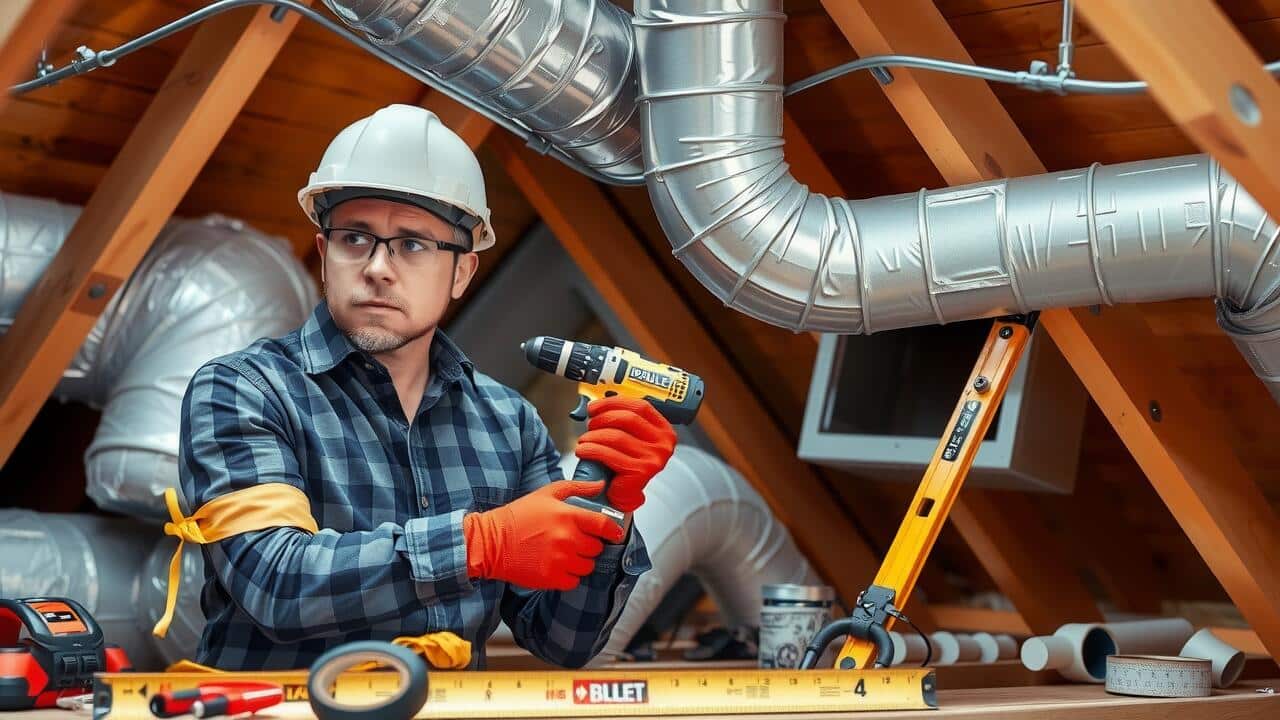
At Top Master Air Duct Cleaning Dallas, we specialize in professional air duct installation services designed to enhance your home’s air quality and energy efficiency. Our skilled technicians utilize the latest techniques and high-quality materials to ensure that your air ducts are installed correctly and efficiently, providing optimal airflow throughout your space. We understand that proper air duct installation is crucial for maintaining a comfortable indoor environment while minimizing energy costs. With our commitment to excellence and customer satisfaction, you can trust that your air duct installation will be handled with meticulous attention to detail, ensuring a safe and clean system for you and your family. Choose Top Master for reliable service and expert craftsmanship you can count on!
Cost Factors for Air Duct Installation
Several factors influence the cost of air duct installation, including materials used and the intricacies of the existing HVAC system. Ductwork can be made from various materials such as galvanized steel, aluminum, or fiberglass, each with different price points and performance characteristics. Additionally, the layout of the ducts, including their size and complexity, plays a significant role in determining installation costs. Short, straight runs may require less labor, while expansive duct systems with multiple bends and turns will generally necessitate a more extensive installation process.
Labor costs also vary depending on the contractor’s experience and regional market rates. Homeowners should consider the skill set of the installation team, as properly installed ducts improve airflow, energy efficiency, and indoor air quality. Extra expenses may arise from necessary modifications, such as sealing leaks or insulating ducts to prevent condensation. Over time, investing in high-quality materials and professional installation can lead to savings on energy bills and maintenance, making it essential to consider both upfront costs and long-term benefits.
Understanding Ductwork Pricing
The cost of ductwork installation can vary significantly based on several factors. The complexity of the layout plays a crucial role; simpler designs generally require less time and fewer materials. Additional considerations include the type of materials used, such as galvanized steel or polymer, as well as any specific features like dampers or grilles. Home size and the number of ducts needed will also influence the overall estimate.
Understanding local market rates is essential. Regions may have different pricing structures based on labor costs and demand for services. For instance, urban areas might see higher rates compared to rural locations. It’s wise to obtain multiple quotes from licensed contractors to ensure a competitive price. Regular inspection of existing ductwork can prevent costly repairs or replacements by addressing issues like corrosion or mold growth early on.
Benefits of Professional Installation Services
Professional installation services provide a level of expertise that can significantly enhance the performance of your air duct system. Experienced contractors understand the intricacies of ductwork and HVAC systems, ensuring that every piece is correctly sized and sealed for optimal airflow. This attention to detail can prevent common issues associated with poorly installed systems, such as misalignment and leaks, that can lead to decreased energy efficiency and increased utility bills.
Additionally, certified technicians are knowledgeable about local building codes and regulations, helping to ensure that your installation complies with standards. The use of high-quality materials like fiberglass insulation and airtight connectors minimizes the potential for rust and other damages over time. Engaging professionals not only fosters a cleaner indoor environment by reducing allergens and irritants but also contributes to the longevity of the system, making it a worthwhile investment for homeowners.
The Role of Experienced Contractors
Skilled contractors bring a wealth of knowledge to the installation of air ducts, pivotal for achieving optimal performance in heating, ventilation, and air conditioning (HVAC) systems. Their experience allows them to assess the unique needs of a space, ensuring that every duct is properly sized and appropriately placed. This precision not only enhances indoor air quality but also maximizes energy efficiency, helping to reduce utility costs over time. Additionally, contractors are familiar with local building codes and regulations, which assures compliance and mitigates potential legal issues during installation.
Furthermore, experienced professionals are adept at identifying potential issues that less seasoned workers might overlook. Their understanding extends to the various materials required for different types of systems, including forced-air and air-source heat pumps. Collaborating with contractors who have a solid reputation, such as those endorsed by the Better Business Bureau, can significantly benefit homeowners. Not only do these experts provide quality installation services, but they also offer ongoing maintenance tips to ensure lasting duct performance, vital for maintaining a clean indoor environment and improving overall air flows.
Maintenance Tips for Lasting Duct Performance
Regular maintenance of air duct systems ensures optimal performance and improves indoor air quality. Homeowners should prioritize tasks such as scheduling comprehensive inspections and cleaning to eliminate dust and allergens. This practice can significantly reduce energy consumption by enhancing airflow efficiency. Addressing issues such as mold remediation and pest control promptly can prevent extensive damage and health complications linked to poor air quality.
Additionally, sealing joints in ductwork with high-performance gasket materials can prevent air leaks, contributing to a more energy-efficient home. Using PVC, sheet metal, or drywall to properly insulate ducts aids in minimizing heat loss during the heating season and maintains cooler air during the summer months. Implementing these strategies not only reduces energy wastage but also extends the lifespan of the HVAC system, making it a wise investment for any homeowner. Regular inspections can help identify potential problems before they escalate, reducing discomfort and ensuring a safe living environment.
Scheduling Regular Inspections
Regular inspections of ductwork are essential for maintaining optimal performance and ensuring a healthy indoor environment. Scheduling these inspections helps identify potential issues like mold growth, pest infiltration, or the buildup of dust and debris, which can lead to allergic reactions and respiratory problems. Technicians will check for common hazards while verifying that insulation materials are intact and functioning effectively. This proactive approach can prevent costly repairs down the line and improve air quality in homes and mobile settings.
Monitoring duct performance includes checking airflow and ensuring that air pressure is balanced across the system. Tools such as thermometers and pressure gauges assist professionals in evaluating these parameters. Addressing problems identified during inspections can mitigate the risk of unpleasant odors, noise, and other inconveniences caused by inefficient ductwork. Scheduling regular visits not only extends the life of the system but also contributes to healthier living conditions, making it a valuable investment for homeowners.
FAQS
What are the main factors that affect the cost of air duct installation?
The main factors that affect the cost include the size and complexity of the ductwork system, the materials used, labor costs, and any additional features such as insulation or zoning systems.
How can I understand ductwork pricing better?
To understand ductwork pricing better, consider obtaining multiple quotes from different contractors, researching the materials used in the installation, and reviewing any additional services included in the estimate.
What are the benefits of hiring professional installation services for air ducts?
Professional installation services ensure that the ductwork is installed correctly and efficiently, which can improve energy efficiency, reduce the risk of future issues, and often come with warranties for peace of mind.
Why is it important to hire experienced contractors for air duct installation?
Experienced contractors have the knowledge and skills to handle complex installations, adhere to local building codes, and help prevent costly mistakes, ensuring that your duct system functions optimally.
How can I maintain my air ducts for lasting performance?
You can maintain your air ducts by scheduling regular inspections, changing air filters frequently, keeping the area around vents clear, and ensuring proper sealing to prevent leaks and improve efficiency.