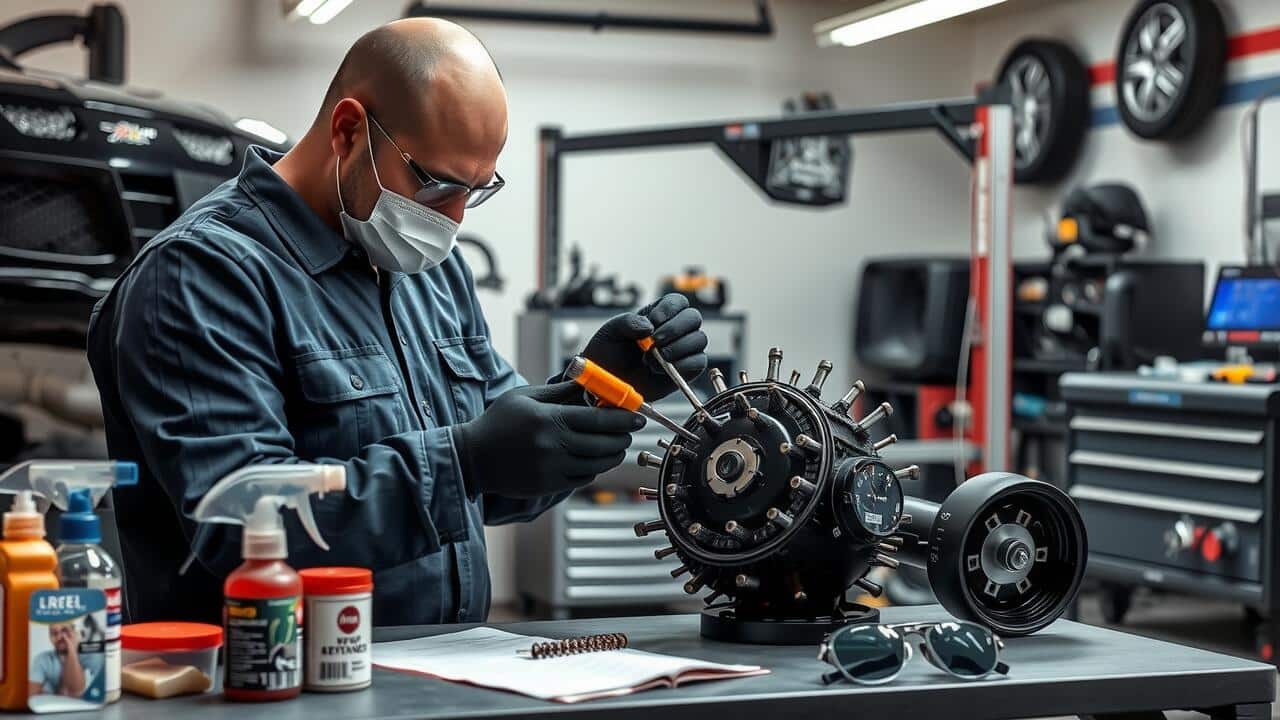
At Top Master Air Duct Cleaning Dallas, we understand that the efficiency of your HVAC system greatly depends on the cleanliness of its components, particularly the blower motor. Our Blower Motor Cleaning service is designed to remove dust, debris, and buildup from this vital part, ensuring optimal airflow and energy efficiency in your home or business. Regular cleaning not only enhances the performance of your system but also helps extend its lifespan, reduce energy costs, and improve indoor air quality. Trust our skilled technicians to provide thorough and professional cleaning, allowing you to enjoy a healthier and more comfortable environment.
Common Issues with Blower Motors
Blower motors play a crucial role in HVAC systems, driving airflow through the ducts and ensuring that heated or cooled air reaches every corner of a home. Common issues often stem from the accumulation of dust and debris, which can inhibit the fan’s performance. When dirt settles on the blower wheel and fan blades, it can lead to reduced efficiency and increased energy consumption. Over time, this buildup can also cause the motor to work harder, potentially leading to premature failure. Noises during operation, such as rattling or grinding, may signal deeper issues, including misaligned components or worn bearings.
Proper maintenance is essential in preventing these problems. Regular inspections help identify and address issues before they escalate. Cleaning the blower motor and its components not only enhances airflow but also contributes to better indoor air quality. A neglected blower may lead to a buildup of contaminants that can circulate through the home, posing health risks. To keep systems running smoothly, lubrication and thorough cleaning are vital, ensuring the longevity and optimal performance of the motor.
Troubleshooting Techniques
Identifying issues with blower motors can be vital for maintaining the efficiency of heating and cooling systems. Begin by conducting a visual inspection. Look for any loose electrical connections, worn bearings, or debris clogging the ducts and impacting airflow. Unusual noises such as banging or grinding may indicate wear and tear on internal components. Using a multimeter, test electrical connections for continuity. If the motor fails to start, check the thermostat settings and ensure the unit receives power.
Advanced troubleshooting may require specialized tools. For instance, having a torque screwdriver can assist in securing screws effectively, minimizing potential vibration-related failure. If cleaning is necessary, use a vacuum to remove contaminants without damaging sensitive parts. Pressure washers should be avoided as they may cause injury and damage. Understanding the symptoms of a failing blower motor is crucial. Efforts to undertake maintenance may involve inspecting bushings and applying grease to moving parts, which can significantly enhance longevity and reduce operating costs.
Benefits of Regular Blower Cleaning
Regular cleaning of blower motors is essential for maintaining optimal performance in heating and cooling systems. Dust and debris accumulate over time, leading to reduced efficiency and increased energy consumption. When airflow is obstructed, the system has to work harder to maintain temperature, which can result in higher utility bills. Ensuring that the blower motor remains clean improves its lifespan and reduces the likelihood of costly repairs.
In addition to cost savings, clean blower motors significantly enhance air quality. Dust and contaminants circulated through the air can trigger allergies and respiratory issues. By keeping the blower motor clean, you promote healthier indoor air, creating a more comfortable living environment. A well-maintained blower not only operates efficiently but also contributes positively to overall wellness by minimizing pollutants in the air.
Improving Air Quality
Regular cleaning of blower motors plays a crucial role in maintaining optimal indoor air quality. Dirty blower motors can hinder the performance of heating and air conditioning systems, leading to issues such as reduced airflow and inefficient cooling or heating. When dust and debris accumulate, they can circulate throughout the home, resulting in polluted air and increased allergy symptoms. Keeping the blower motor clean allows the system to maintain a steady, unobstructed airflow, which can significantly enhance overall comfort in living spaces.
The benefits extend beyond immediate comfort improvements. A well-maintained blower motor contributes to better energy efficiency, requiring less power to operate effectively. This can translate to lower utility bills over time. Additionally, preventing the build-up of dirt and grime helps extend the lifespan of vital components in HVAC systems. Ensuring that blower motors are part of routine maintenance promotes a healthier environment, especially for individuals with respiratory issues or those sensitive to allergens. Investing in these cleaning services creates a more pleasant and safe home atmosphere.
Frequency of Blower Motor Cleaning
Regular maintenance of blower motors is essential for optimal performance and efficiency in heating systems. Dust and debris can accumulate over time, leading to reduced airflow and increased strain on the motor. This buildup not only impacts the effectiveness of the system but can also lead to overheating and potential breakdowns. Ensuring that blower motors are cleaned periodically helps mitigate these risks, leading to a longer lifespan for the equipment and a more comfortable indoor environment.
The frequency of cleaning depends on several factors, including the specific usage and environmental conditions. Households with pets or high levels of dust may require more frequent cleaning compared to those in cleaner environments. As a general guideline, a thorough cleaning is recommended every six months to a year. Regular checks and maintenance not only improve performance but also contribute to better indoor air quality—crucial for families dealing with allergies or respiratory issues.
Recommended Maintenance Schedule
Establishing a regular maintenance schedule for blower motor cleaning is essential for optimal air quality and energy efficiency. Homeowners should consider having their blower motors cleaned at least once a year. Certain factors, like the presence of pets or environmental pollutants, can necessitate more frequent cleaning. A routine maintenance check helps identify issues early, potentially saving on costly repairs and increasing the lifespan of the equipment.
Using appropriate tools and techniques during maintenance is crucial. The process may involve removing accumulated grime and debris, which can hamper functionality. Checking for wear on components, such as the armature and resistors, ensures that the system operates smoothly. Safety goggles should always be worn during cleaning to protect against airborne particles. Regular investments in maintenance ultimately support a healthier home environment and can lower energy bills over time.
FAQS
What is a blower motor and why is it important?
A blower motor is an electric fan that circulates air through your home’s heating and cooling system. It is essential for maintaining comfortable indoor temperatures and ensuring efficient air distribution.
What are the common issues that can arise with blower motors?
Common issues with blower motors include reduced airflow, strange noises, overheating, and motor failure. These problems can arise from dirt buildup, electrical issues, or mechanical failures.
How can I tell if my blower motor needs cleaning?
Signs that your blower motor may need cleaning include decreased airflow from vents, unusual sounds when the system is running, and an increase in energy bills. If you notice dust or debris around the vent openings, it may also indicate that cleaning is needed.
How often should I clean my blower motor?
It is generally recommended to clean your blower motor at least once a year, ideally before the heating or cooling season begins. However, if you have pets or live in a dusty environment, more frequent cleaning may be necessary.
Can I clean the blower motor myself, or should I hire a professional?
While some homeowners may choose to clean the blower motor themselves, it is often best to hire a professional, especially if you are unfamiliar with HVAC systems. Professionals have the right tools and experience to clean the blower motor safely and effectively.