Table Of Contents
Maintaining Your Oil Furnace
Regular maintenance is crucial for the efficiency and longevity of your oil furnace. A key aspect of this maintenance involves furnace cleaning. This process helps to remove soot, dust, and debris that accumulate over time, which can hinder airflow and reduce performance. Keeping the furnace clean ensures it operates safely and efficiently, leading to lower energy bills and fewer repairs in the long run.
In addition to furnace cleaning, it’s essential to pay attention to specific components like oil filters and burners. These parts can become clogged with dirt and require regular inspection and cleaning to maintain optimal function. By addressing these areas and ensuring they are free from obstructions, homeowners can improve their furnace’s overall efficiency and enhance indoor air quality.
Best Practices for Oil Filters and Burners
Regular maintenance of oil filters is crucial for the efficient operation of an oil furnace. These filters prevent dirt and debris from clogging the burner and impacting fuel flow. Cleaning or replacing the filters according to the manufacturer’s recommendations ensures optimal performance and extends the lifespan of the furnace. Neglecting this task can lead to costly repairs and reduced heating efficiency.
The burner is another essential component that requires attention during furnace cleaning. Over time, soot can accumulate, affecting combustion and reducing the furnace’s overall efficiency. It’s beneficial to schedule professional cleaning at least once a year, focusing on both the burner and its surrounding areas. Keeping these components clean maximizes heating output while minimizing energy consumption.
Common Tools for Furnace Cleaning
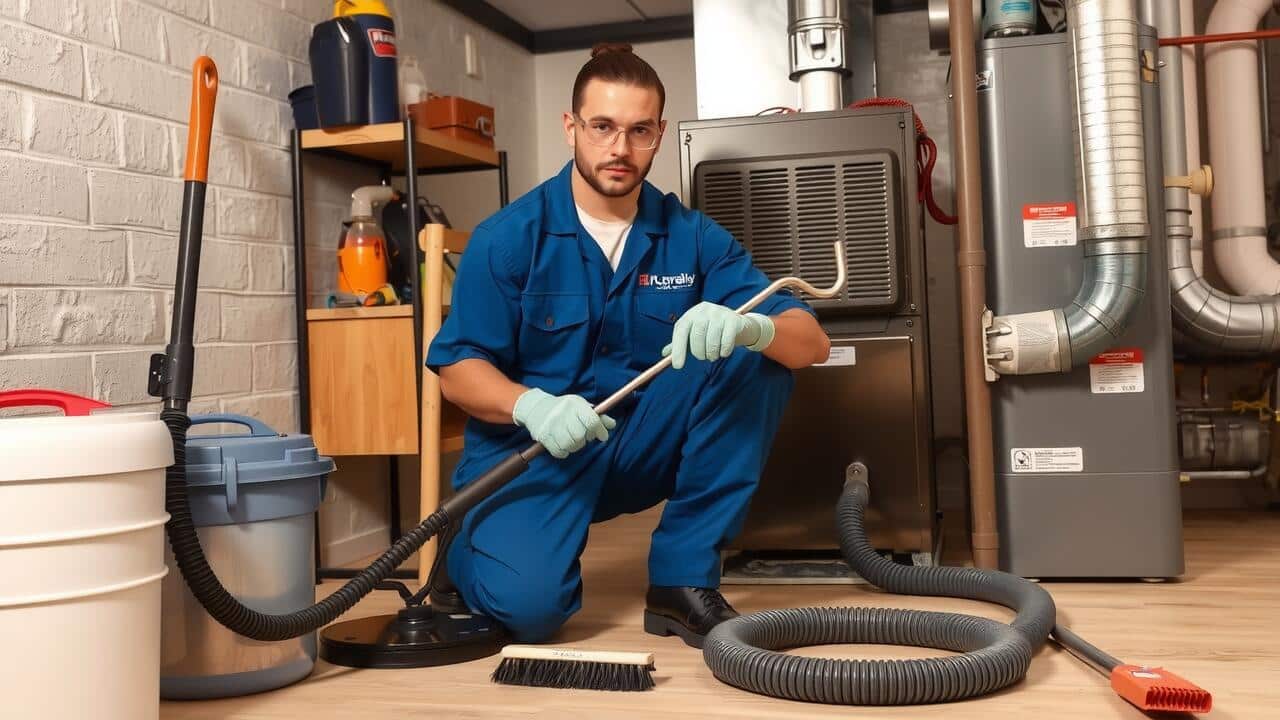
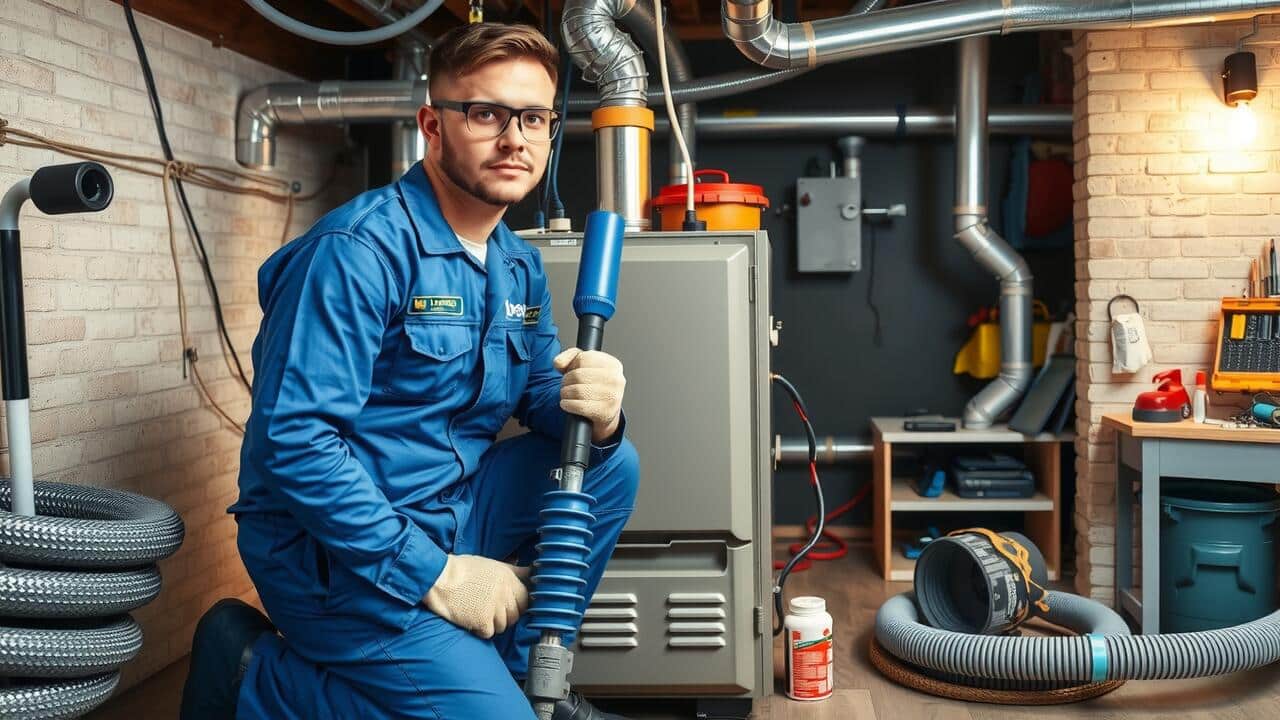
Proper furnace cleaning requires the right tools to ensure effectiveness and safety. A vacuum cleaner equipped with a HEPA filter is essential for removing dust and debris accumulated in the furnace and ductwork. It helps improve air quality significantly, minimizing allergens that could affect health. A soft brush is useful for gently dislodging dirt from various components without causing damage. Additionally, a damp cloth can be employed to wipe down surfaces and components, ensuring they are clean and free of grime.
In addition to the basic tools, there are specific items that enhance the furnace cleaning process. A multimeter can check electrical connections, ensuring that all parts are functioning well. A combustion analyzer helps to assess the efficiency of the burner, providing insight into whether adjustments are necessary. The use of a flashlight enables deeper inspection of hard-to-see areas, ensuring a thorough clean. Having these tools on hand streamlines the furnace cleaning process, contributing to a well-maintained heating system.
Must-Have Equipment for Effective Cleaning
When it comes to furnace cleaning, having the right equipment is essential for achieving optimal results. A vacuum cleaner with a fine filter is crucial for removing soot and debris from the furnace area. Additionally, a stiff-bristle brush helps dislodge buildup on the burners and heat exchanger, ensuring that all surfaces are thoroughly cleaned. Safety goggles and gloves should also be part of your cleaning kit to protect yourself from dust and debris.
Another important tool for effective furnace cleaning is a manometer, which measures the air pressure in the system. This helps in diagnosing potential issues that could affect efficiency. Moreover, a socket set can be useful for removing and reattaching components during the cleaning process. Having these tools on hand will streamline the furnace cleaning experience and enhance the overall maintenance of your oil furnace system.
Signs Your Furnace Needs Cleaning
One of the primary indicators that your furnace requires cleaning is the presence of unusual sounds. A clean furnace typically operates quietly, so any rattling or banging noises may signal mechanical issues or a buildup of debris. Additionally, a decrease in heating efficiency suggests that the system is struggling to circulate warm air effectively. If you find certain rooms colder than others, it may be time for furnace cleaning to remove any blockages.
Another sign that your furnace needs cleaning is the deterioration of indoor air quality. If you notice an increase in dust accumulation around your home or experience respiratory issues, these can be linked to a dirty furnace. A filter clogged with contaminants won’t properly trap pollutants, leading to inadequate air filtration. Regular furnace cleaning not only improves heating performance but also contributes to a healthier environment indoors.
Indicators of Poor Performance and Air Quality
A furnace that requires cleaning often shows noticeable signs of poor performance. One common indicator is uneven heating throughout the home, which can lead to discomfort in some rooms. Another clear sign is an increase in energy bills. When a furnace operates inefficiently, it must work harder to produce the same amount of heat, consuming more fuel and increasing costs.
Air quality can also suffer when a furnace has not received proper maintenance. Dust, dirt, and other contaminants can accumulate in the system, which may lead to respiratory issues or allergies in occupants. Regular furnace cleaning helps minimize these risks by ensuring that air filters and components are free from grime. A clean furnace not only improves efficiency but also promotes a healthier indoor environment.
FAQS
Why is it important to clean my furnace?
Regular cleaning of your furnace is essential for maintaining efficiency, extending its lifespan, and ensuring safe operation. A clean furnace can improve air quality and help avoid costly repairs.
How often should I clean my furnace?
It is generally recommended to clean your furnace at least once a year, ideally before the heating season begins, to ensure optimal performance. However, if you notice signs of poor efficiency or air quality, more frequent cleaning may be necessary.
What tools do I need to clean my furnace?
Common tools for furnace cleaning include a vacuum with a hose attachment, a brush or blower for cleaning burners, a screwdriver for removing panels, and a multimeter for checking electrical connections.
Can I clean my furnace myself, or should I hire a professional?
While some basic cleaning tasks can be done by homeowners, hiring a professional is recommended for thorough cleaning and maintenance, especially for complex components like burners and oil filters.
What are the signs that my furnace needs cleaning?
Signs your furnace may need cleaning include reduced heat output, increased energy bills, strange noises, or unusual odors. Additionally, if you notice dust and debris accumulating around vents, it may be time for a cleaning.